First, what is emotional labor?
Emotional labor is the effort required to manage your emotions while doing your job. It is the steady, often unseen work of staying calm, being pleasant, smoothing conflict, offering empathy, and carrying relational tension so others can stay comfortable or productive.
This matters because emotional labor costs energy. And when it is constant and unacknowledged, it can quietly become a primary driver of exhaustion.
What workplace research is showing
A recent ethnographic study in Frontiers in Sociology examined customer support environments with heavy performance metrics and standardized workflows. The researchers found repeated patterns that many women recognize across industries in the United States:
-
Standardization + metrics can increase emotional strain.
When work is tightly measured, you are expected to hit numbers while also absorbing other people’s emotions. That double load adds up fast. -
Emotional labor becomes invisible because it is not on paper.
It is rarely listed in job descriptions, performance reviews, or promotion criteria, even though it can be a major part of the role. -
Women can be pushed into care roles by default.
Teams often expect women to be the peacemaker, the encourager, the emotional buffer, or the one who handles difficult personalities. -
Over time, the result can be burnout and dissatisfaction.
Not because women are weak, but because the system quietly asks for too much in ways that do not get named or shared.
Kind Birdie lens: If your work requires you to be both high-performing and emotionally available all day, you need boundaries and recovery, not more grit.
How to use this insight at work this week
1) Name what you are carrying
“One emotional responsibility I keep absorbing at work is…”
2) Clarify what is actually yours to own
“Is this my role, or have I become the default person for it?”
3) Create a recovery rhythm
Emotional labor needs recovery the same way physical labor does. Schedule short resets after high-emotion conversations and define clear stop times when possible.
Ready to align your work with your purpose?
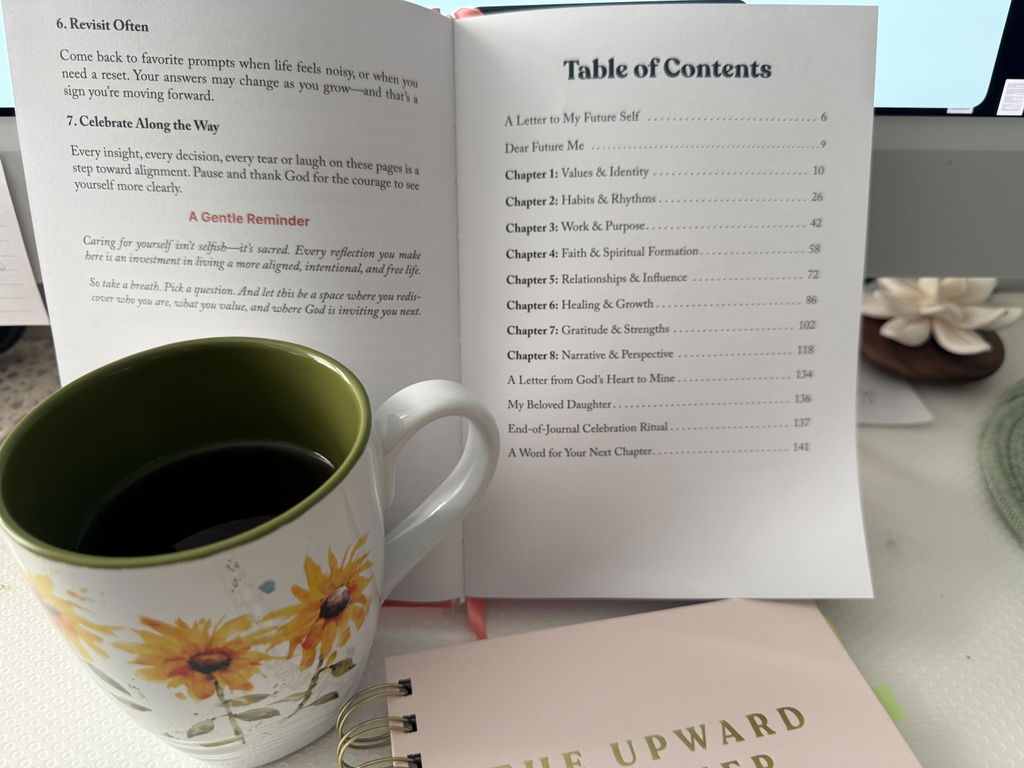
This is exactly why the Work & Purpose chapter in the Aligned Journal exists. It helps you process what you are carrying and reconnect your daily responsibilities to what truly matters.
Inside the Work & Purpose chapter, you will explore:
- How you approach work
- What matters to you about your work
- Your philosophy on money and how it relates to your earnings
- And more...
If this resonates, begin with the Work & Purpose chapter.
Frequently Asked Questions
What is emotional labor at work?
Emotional labor is the effort required to manage your emotions while doing your job, including staying calm, empathetic, and professional under pressure.
Why does emotional labor affect women so often?
Women are often expected to manage team harmony and provide relational support, creating an uneven emotional workload over time.
How do I know if emotional labor is draining me?
Signs include exhaustion after conversations, resentment, feeling responsible for others’ moods, and dread before high-conflict meetings.
How does the Aligned Journal help with Work & Purpose alignment?
The Work & Purpose chapter guides you through reflection and decision-making so you can clarify what is yours to carry, protect your energy, and reconnect your work to your calling.