Why Christian Women Procrastinate and How to Overcome It Without Burnout
You’re not lazy.
You’re not undisciplined.
And you’re not the only one staring at something important and avoiding it.
Procrastination feels frustrating, especially when you care deeply about your life, your calling, and the people you love.
But what if procrastination isn’t actually a time problem or a motivation problem?
What if it’s emotional?
The Real Reason You Procrastinate
Research shows that procrastination is not about poor time management. It is about avoiding uncomfortable emotions.
Things like:
- Overwhelm
- Fear of failure
- Fear of doing it wrong
- Pressure to get it perfect
- Feeling mentally or emotionally drained
So instead of moving forward, your mind gently tries to protect you.
You scroll. You clean. You do something easier.
Not because you don’t care.
But because your heart and head feel too full.
What This Means for You
If procrastination is emotional, then the solution is not to push harder.
It is to care for what’s underneath.
This is where many Christian women get stuck.
You try to be disciplined. You try to push through.
But your soul is asking for something different.
It is asking for:
- Clarity
- Compassion
- Connection with God
- A smaller, gentler next step
5 Simple Ways to Overcome Procrastination (Without Burnout)
1. Name What You’re Feeling
Instead of asking, “Why can’t I just do this?” ask:
“What am I feeling about this right now?”
Is it fear? Pressure? Confusion?
Naming the emotion reduces its power.
2. Sit With God Before You Start
You do not have to carry this alone.
Take one minute and pray honestly:
“God, I feel overwhelmed by this. Show me what matters most.”
You are not behind. You are seeking the guidance you need from a loving God.
3. Make the Step Smaller Than You Think
Overwhelm grows when the task feels too big.
Instead of “finish the project,” try:
- Open the document
- Write one sentence
- Set a 10-minute timer
Momentum builds through small, faithful action.
4. Release the Pressure to Do It Perfectly
Perfection keeps many women stuck.
You are allowed to do this imperfectly.
Progress with peace is better than perfection with pressure.
5. Decide What Matters Today
You do not need to do everything.
You need to do what matters most.
Ask yourself:
“If I only completed one meaningful thing today, what would it be?” (Read more about this powerful question in the FAQs at the end of this post.)
Then gently move toward that.
A Different Way Forward
Procrastination is not a sign that you are failing.
It is often a signal that you need support, clarity, or rest.
When you begin to respond to yourself with compassion instead of pressure, everything shifts.
You start moving again.
Not from stress, but from a place of peace.
When You Still Feel Stuck
If you find yourself returning to overwhelm again and again, it may not be just one emotion.
You may need a more intentional rhythm of rest and reflection.
That is exactly why I created a simple resource to help you reset.
Download: 10 Holistic Rest Practices for Overwhelmed Women
These are gentle, faith-based practices designed to help you:
- Calm your mind
- Reconnect with God
- Gain clarity on what matters
- Move forward without burnout
You do not need more pressure.
You need a better way.
Start by acknowledging your emotions and inviting God into the situation.
Frequently Asked Questions
Why is the question “If I only completed one meaningful thing today, what would it be?” so powerful?
This question cuts through overwhelm and helps you focus on what truly matters instead of everything that feels urgent.
When your mind is carrying too much, it becomes difficult to start anything. This question simplifies your day by helping you identify one meaningful priority. It gently shifts you from scattered and reactive to calm and intentional.
Instead of trying to do everything, you begin to do the right thing.
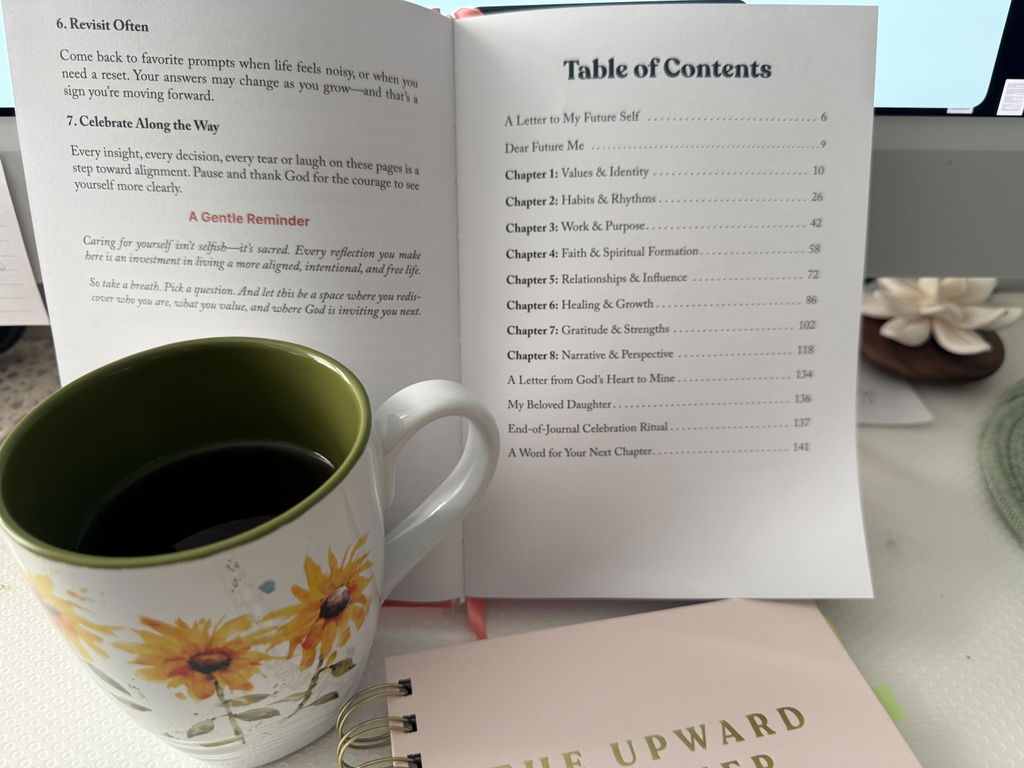
This is one of the four guided coaching questions included for you every weekday inside The Upward Planner. You are not left to figure it out on your own. You are led step by step into clarity, peace, and purposeful action.
Over time, this simple daily practice builds confidence, reduces procrastination, and helps you experience real momentum without burnout.
Why is it important to listen to our souls when emotions rise and we start to procrastinate?
Procrastination is often a signal, not a failure.
When emotions like overwhelm, fear, or pressure rise up, your soul is trying to get your attention. Ignoring those emotions or pushing past them usually leads to more stress, more avoidance, and deeper exhaustion.
But when you pause and listen, you begin to understand what you actually need.
You may need clarity, rest, support, or a smaller next step.
As a Christian woman, this is also an invitation to reconnect with God in the middle of your day. He meets you in your weakness, not just in your productivity.
Listening to your soul allows you to move forward with wisdom instead of pressure. It helps you respond with intention instead of reacting out of stress.
This is how you begin to live and work from a place of peace instead of overwhelm.